Behind the Smiles: The Irony of Councillorship in Enugu State and the Heavy Burden of Local Government Realities
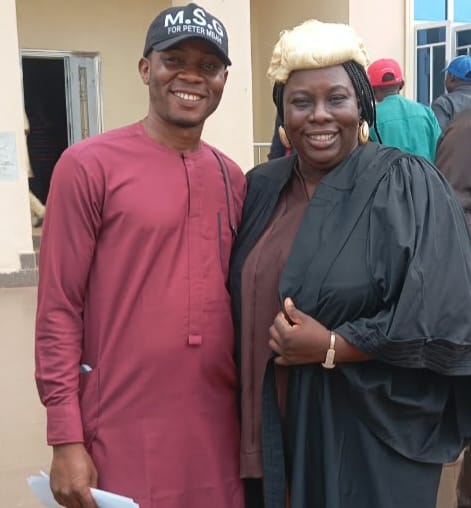
A few days ago, on October 14, 2026, it rained like wildfire across Enugu State, not with water from the skies, but with celebrations, congratulations, and the overwhelming excitement that accompanied the inauguration and swearing-in of 260 Councillors across the state.
I saw young men and women dressed in their finest clothes, smiling as they received the congratulations of family, friends, political associates, and well-wishers. I saw hope in their eyes. I saw young people with visions, outlined programmes, and genuine desires to make a difference in their various wards and communities.
I saw dreams waiting to be realised, promises waiting to be fulfilled, and communities waiting for the dividends of democracy.
But behind those beautiful smiles, I saw something else. THE IRONY OF COUNCILLORSHIP IN ENUGU STATE.
I saw the reality that many had yet to understand.
I saw men and women carrying enormous responsibilities on shoulders that the system might never adequately strengthen. I saw the possibility of good people becoming victims of a bad political structure. I saw councillors who would be expected to deliver results without the necessary resources, exercise authority without the corresponding powers, and answer questions about responsibilities they might not have the capacity to fulfil.
I saw men and women who would be criticised, condemned, and sometimes hated not necessarily because they had failed their people, but because the system had made it difficult for them to succeed.
I saw dreams that could become casualties of political reality.
Then, I turned my attention to the leadership of the legislative houses.
I saw fear where there ought to be courage. I saw uncertainty where there ought to be direction.
I saw a leadership selection process that, in some instances, appeared more concerned with political convenience of the Executive than competence, courage, and capacity. They choose the least threatening candidates instead of the most prepared minds to lead not necessarily because they were the best but because they were perceived as the safest for the interests that mattered.
And I asked myself: How can a legislative institution fulfil its constitutional responsibilities when the very process of choosing its leadership is influenced by fear of the unknown?
How can a House effectively provide oversight when its leadership is more concerned about pleasing those in power The Chairman than protecting the integrity of the institution?
I saw men elected to perform a constitutional duty, yet surrounded by a system that could make that duty almost impossible to fulfil.
I saw local government chairmen operating with the freedom to make decisions, control affairs, and determine the direction of governance, most times without being checked.
I saw a troubling imbalance: executives who could become increasingly powerful and legislators who could become increasingly powerless.
And I wondered: What is the purpose of electing councillors if they cannot effectively represent their people, scrutinise public expenditure, demand accountability, and insist that governance follows the law?
I saw sycophants occupying the space where stakeholders ought to stand.
I saw men and women who should be asking difficult questions, offering constructive criticism, and guiding the affairs of local government instead clapping for everything the chairman did or appeared to do.
I saw praise being offered where questions were needed, silence where courage was required, and loyalty being confused with leadership.
A stakeholder is not merely someone who celebrates the chairman. A true stakeholder is someone who cares enough about the people to tell the chairman the truth.
I saw some people claiming to emulate His Excellency the Governor, yet reproducing the wrong things. They appeared to admire the symbols of authority without understanding the substance of leadership; copying the posture of power without appreciating the discipline, vision, policy direction, and responsibility that ought to accompany it.
Emulating a leader should mean learning from the principles that make leadership effective, not imitating whatever behaviour appears to command the most attention.
It was as though the office had become bigger than the person occupying it, and the privilege had become more important than the purpose.
Yet, I do not write this to condemnation. Neither do I assume that every chairman, legislative leader, or stakeholder fits the picture I have painted.
I write because I believe local government remains one of the most important levels of governance. It is the level closest to the people, where a functioning democracy should be felt in the quality of our roads, schools, healthcare, sanitation, markets, security, and everyday living conditions. The excesses of our Local governments should be placed on regular checks.
The councillor is not merely an occupant of a political seat. He or she is a representative of the people, a participant in lawmaking, an instrument of oversight, and a voice for communities that might otherwise remain unheard. The councillors should breathe.
To the newly inaugurated councillors of Enugu State, congratulations, but am sincerely sorry of what will become of you in the nearest days.
Enjoy the moment. Celebrate the victory. Appreciate the people who made your emergence possible.
Do not allow the limitations of the system to become an excuse for abandoning your responsibilities. Do not allow political pressure to silence your conscience. Do not allow the privileges of office to separate you from the people.
The people do not need 260 councillors who merely occupy seats. They need 260 councillors who will be better of themselves at the end.
They do not need legislative leaders who are afraid to lead. They need courageous minds who can protect the integrity of their institutions.
They do not need stakeholders who applaud every decision. They need responsible voices who can distinguish between what is politically convenient and what is right.
On October 14, 2026, I saw 260 new beginnings. But behind the celebrations, a lot of questions remain unanswered.
May we have a record of service.
May we have the courage to do what is right.
And may we never become the very reason the dreams of our people remain unfulfilled.
May we be better than we came.
Don't miss a single update
Related Stories
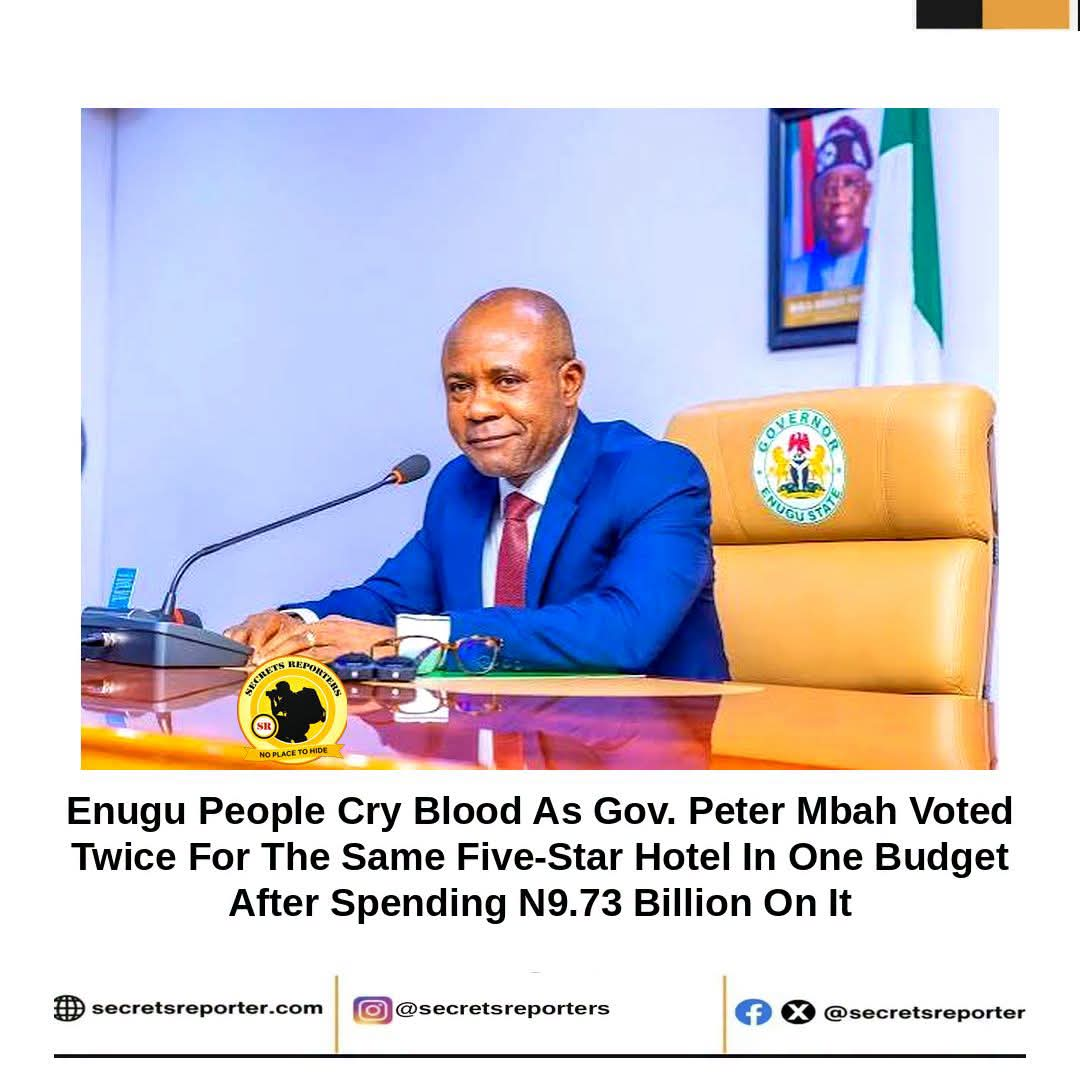
The ₦8 Billion Double-Vote Heist: How Governor Peter Mbah Duplicated a Five-Star Hotel in the Enugu Budget After Sinking ₦9.73 Billion Into a Bottomless Pit

Exposing the 2027 Rigging Playbook: How Desperate Elements Plan to Weaponize Nkanu West Corps Members, and Why Prof. Adam Adesina Cries Out Against Mbah’s Unprecedented Wickedness
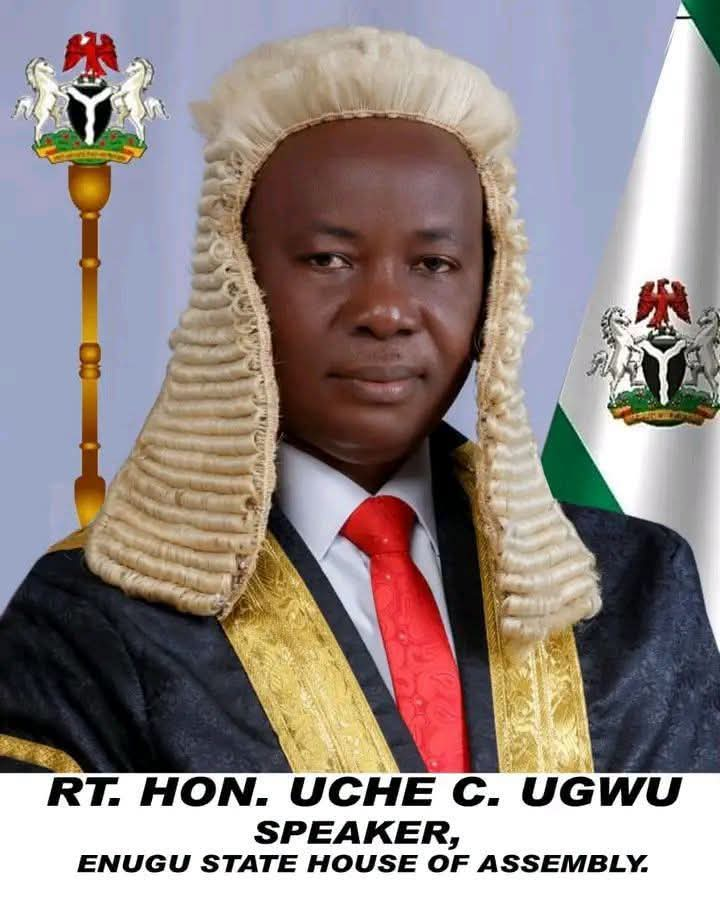
State Police or State Gestapo? How the Enugu State House of Assembly’s Rapid Resolution Paves the Way for Executive Tyranny Ahead of 2027