EXPLAINER: WHY CONSTITUENCY PROJECTS MEANT FOR OJI RIVER END UP IN LAGOS AND WHAT ANTI-GRAFT AGENCIES ARE DOING

The practice of allocating constituency projects meant for specific regions or institutions to far-flung states like Lagos stems from the long-standing issue of legislative budget padding and the use of specialized agencies as generic project warehouses. During annual federal budget negotiations, members of the National Assembly frequently insert thousands of zonal intervention projects into the capital budgets of tertiary institutions and agencies regardless of their statutory mandate or primary location. Because institutions such as the Federal Co-operative College, Oji River, serve as federal funding channels on paper, lawmakers from across the country domicile their personal constituency projects—ranging from streetlights in Lagos to transformers in Sokoto—within the college's annual appropriation. This practice allows lawmakers to direct federal funds to their preferred constituencies while bypassing traditional ministry oversight, even though the hosting institution lacks the technical mandate or engineering staff to monitor such contracts effectively.
In response to these systemic abuses, anti-graft agencies led by the Independent Corrupt Practices and Other Related Offences Commission (ICPC) and the Economic and Financial Crimes Commission (EFCC) have intensified enforcement actions through specialized monitoring frameworks. The ICPC’s Constituency and Executive Projects Tracking Group (CEPTG) regularly audits inserted projects across all 36 states to identify contract inflation, duplicate allocations, non-execution, and collusion between lawmakers, contractors, and agency officials. Through these tracking phases, the commission has forced contractors back to site, recovered diverted equipment, and invited heads of executing agencies to account for budget discrepancies. Furthermore, anti-graft agencies continue to push for procurement reforms and legal sanctions against public officers who convert specialized institutional budgets into conduits for unvetted constituency spending.
Don't miss a single update
Related Stories
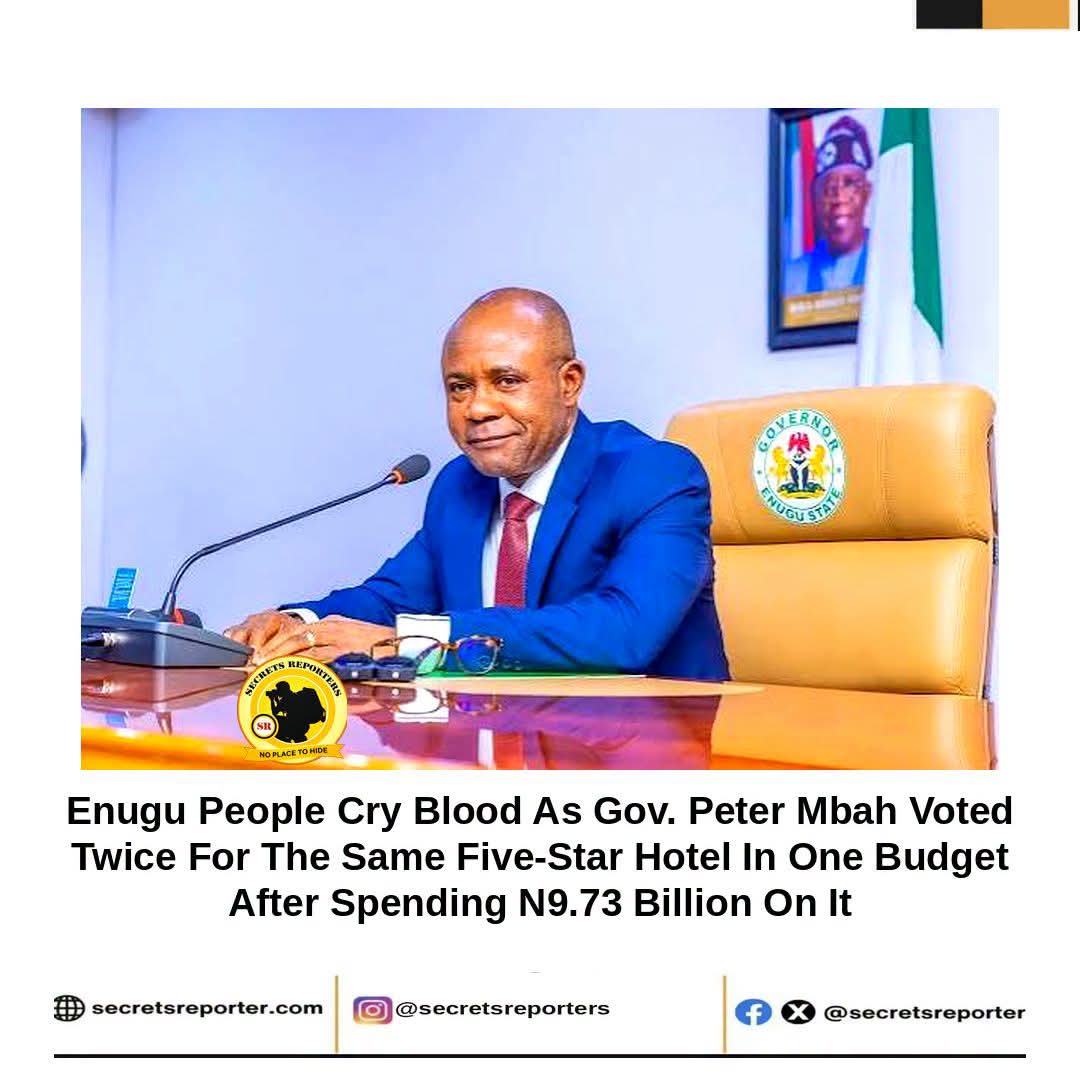
The ₦8 Billion Double-Vote Heist: How Governor Peter Mbah Duplicated a Five-Star Hotel in the Enugu Budget After Sinking ₦9.73 Billion Into a Bottomless Pit
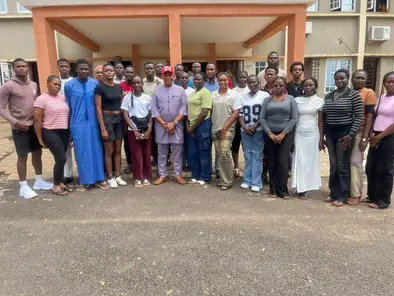
Exposing the 2027 Rigging Playbook: How Desperate Elements Plan to Weaponize Nkanu West Corps Members, and Why Prof. Adam Adesina Cries Out Against Mbah’s Unprecedented Wickedness
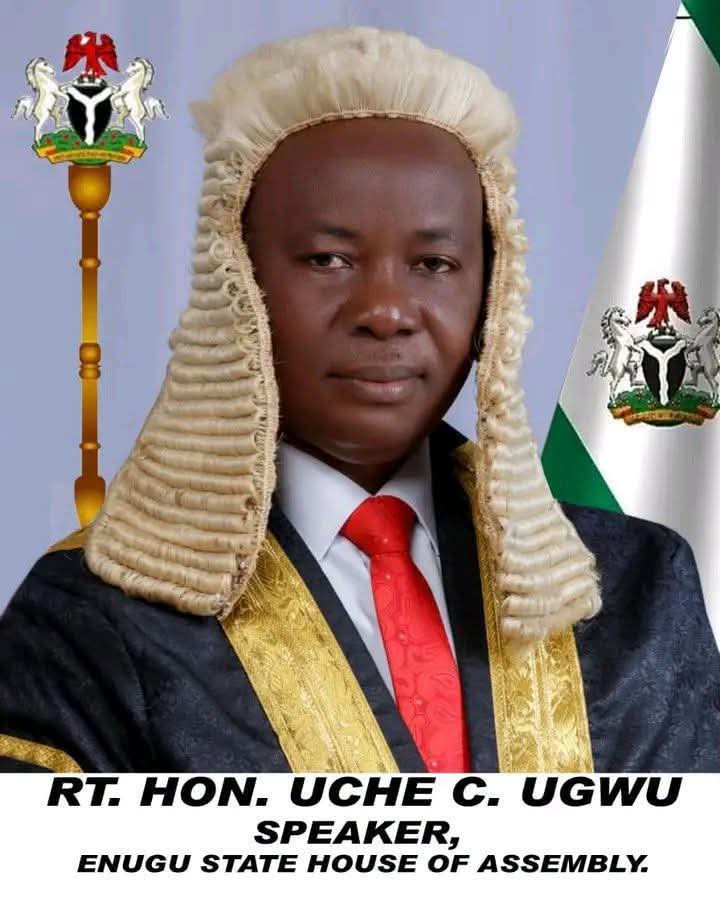
State Police or State Gestapo? How the Enugu State House of Assembly’s Rapid Resolution Paves the Way for Executive Tyranny Ahead of 2027