₦750 Suspended, ₦350 Allegedly Collected: Enugu Keke Operators Seek Clarity Beyond the
The Politics of Taxation: Separating Official Announcements from Ground-Level Realities
Governance is measured not merely by public announcements but by the tangible impact of government policies on the lives of ordinary citizens. In Enugu State, the reported suspension of the ₦750 daily ticket fee for commercial tricycle operators has sparked a fresh debate over whether the relief announced has translated into a meaningful reduction in the financial burden faced by operators.
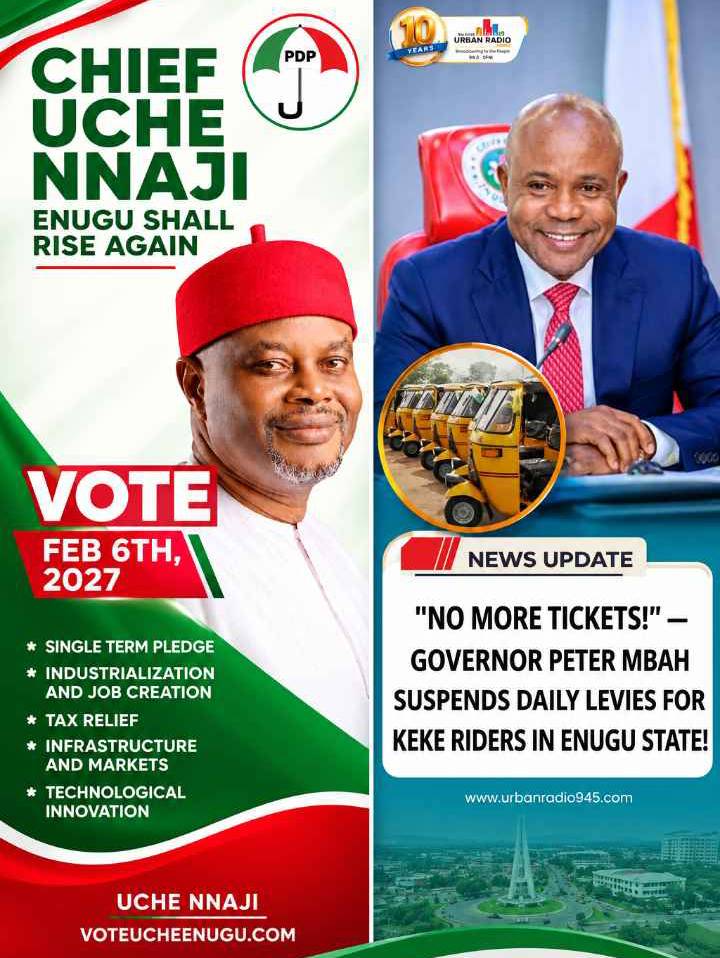
Last week, reports circulated across the media announcing that Governor Peter Mbah had suspended the ₦750 daily ticket fee imposed on Keke operators. The announcement was welcomed by supporters of the administration, many of whom described it as evidence of the government's willingness to listen to the concerns of transport operators.
However, allegations have since emerged that a compulsory ₦350 daily payment is still being collected from tricycle operators at several locations across the state. According to reports attributed to the NDC spokesperson, the alleged collections continue at parks in Holy Ghost, Gariki, Nsukka, Agbani Road, and Emene.
These claims raise important questions that deserve clear and verifiable answers from the relevant authorities. Has the ₦750 ticket fee been completely suspended? If so, what is the legal or administrative basis for the alleged ₦350 daily collection? Is the amount an authorised levy, a separate charge, or a payment that should also have been discontinued?
The public deserves transparency. A policy announcement can only provide genuine relief when its implementation reflects the assurances given to the people.
The Economic Burden on Keke Operators
For many commercial tricycle operators, daily earnings are the foundation of their families' survival. The financial realities can be challenging, particularly when fuel expenses, vehicle-owner remittances, maintenance costs, and government-approved charges consume a significant portion of their income.
Consider an operator who earns between ₦5,000 and ₦7,000 in a day. If fuel costs ₦3,000 and the operator must remit ₦2,500 to the vehicle owner, only ₦500 to ₦1,500 remains before any additional levies, maintenance expenses, or personal costs are considered.
If the alleged ₦350 daily charge is collected, the amount remaining falls to between ₦150 and ₦1,150, depending on the day's earnings. These figures illustrate the potential pressure such charges could place on operators and their dependants.
For a worker who spends the entire day on the road, the question is straightforward: what remains after the cost of doing business has been deducted?
This is why the controversy demands urgent clarification. Commercial transport operators deserve a transparent, predictable, and fair system of taxation that does not undermine their ability to earn a living.
Nwakaibie's Proposed Alternative: Reform, Not Cosmetic Relief
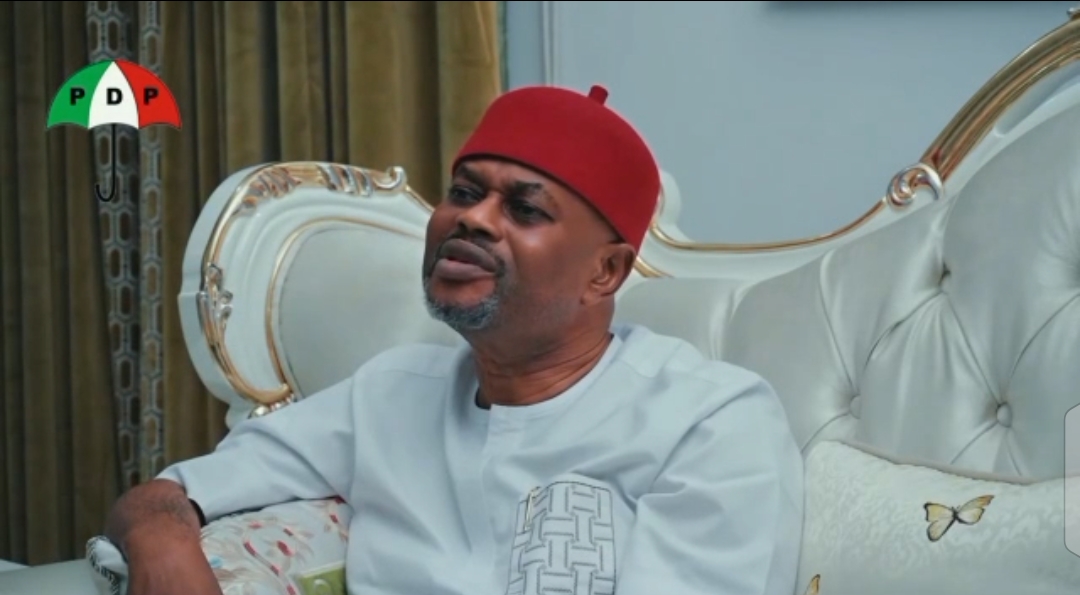
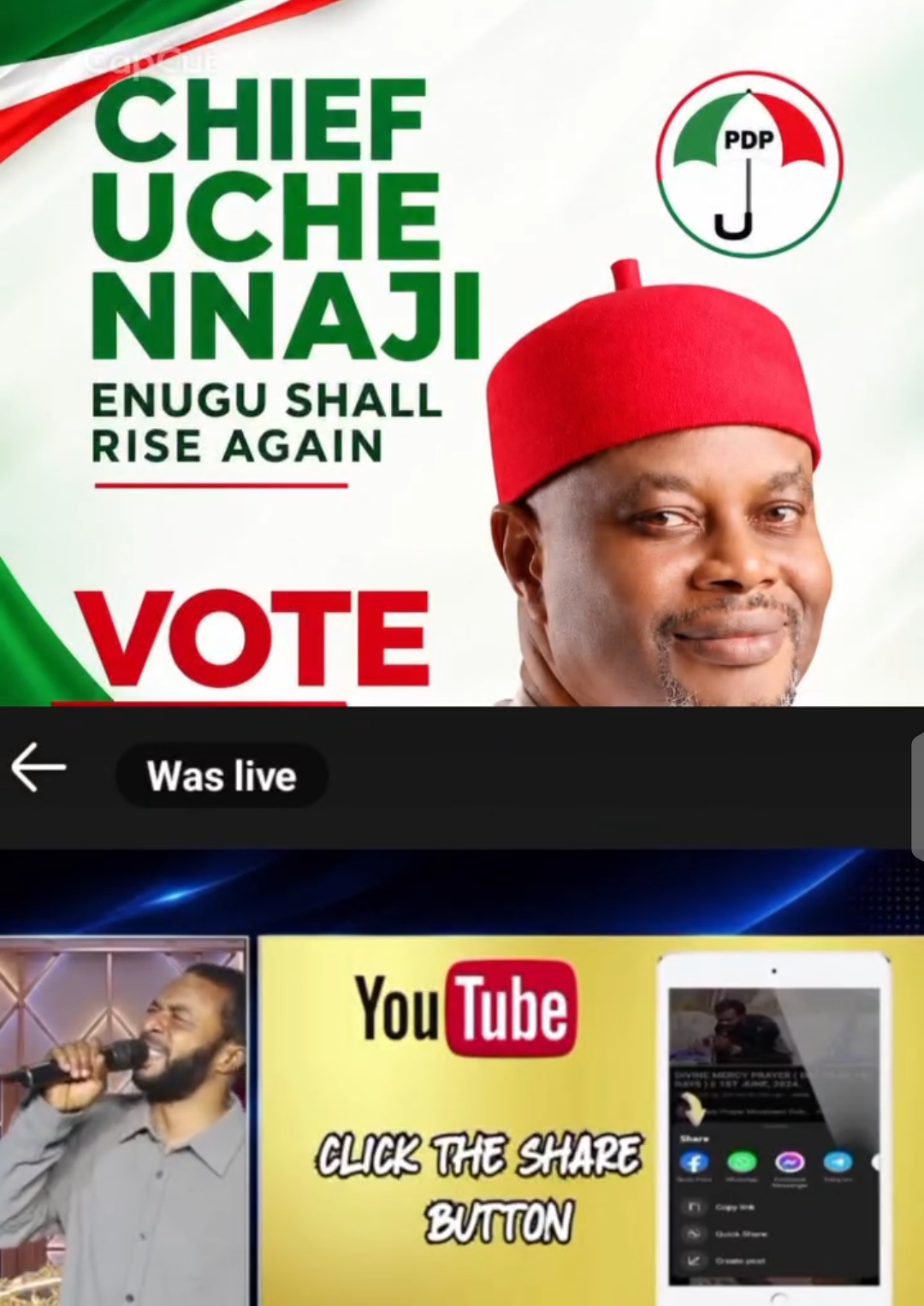
Chief Geoffrey Uche Nnaji Nwakaibie, the PDP governorship hopeful for the 2027 Enugu State election, has been presented by his supporters as an advocate of reforming policies they consider burdensome to small-scale transport operators.
His proposed approach, as outlined by his campaign supporters, includes organising tricycle operators into a structured union, providing designated parks, promoting access to affordable financing, and creating opportunities for operators to own their vehicles.
The underlying argument is that government should seek ways to improve the livelihoods of commercial transport workers rather than impose charges that leave them struggling to meet their daily needs.
Supporters of Nwakaibie have also called for an end to what they describe as anti-people taxation. Their position is that sustainable economic development requires policies that support small businesses, protect vulnerable workers, and create opportunities for wealth generation.
However, the effectiveness of any proposed reform would ultimately depend on clear policy details, sustainable financing, transparent implementation, and measurable outcomes for transport operators.
Transparency Must Go Beyond Public Announcements
The controversy surrounding the reported suspension of the ₦750 daily ticket fee presents an opportunity for the Enugu State Government to clarify its position and address the allegations of continued collections.
The government should publicly explain which charges have been suspended, which remain authorised, and how transport operators can verify legitimate payments. Relevant authorities should also investigate credible complaints of unauthorised collections and provide an accessible channel for affected operators to report them.
For Ndi Enugu, the central issue is not political slogans or competing campaign narratives. It is whether government policies are delivering the promised relief to the people they are intended to benefit.
As the 2027 governorship election draws closer, taxation, transport-sector reform, and the welfare of ordinary workers are likely to remain important subjects of public debate.
Conclusion: Ndi Enugu Deserve Clarity and Accountability
The reported suspension of the ₦750 daily ticket fee, alongside allegations that a ₦350 daily payment is still being collected, raises a legitimate question about policy implementation and the actual relief available to Keke operators.
Until the relevant authorities clarify the status of the alleged charge, the public deserves answers rather than assumptions.
For commercial tricycle operators struggling with rising operating costs, meaningful reform must go beyond announcements. It must translate into transparent rules, fair treatment, and improved economic opportunities.
The 2027 election offers citizens an opportunity to scrutinise competing policy proposals and assess which candidates present credible, practical, and accountable plans for Enugu State.
The message is clear: Ndi Enugu deserve governance that is transparent in its decisions, accountable in its implementation, and responsive to the everyday realities of ordinary people.
Don't miss a single update
Related Stories
The Unspoken Horror: Unmasking the Brutal Wave of Targeted Violence, Religious Persecution, and Global Silence on the Plight of Christians in Nigeria
Divine Mandate: Prophetic Declarations Sound Out from Zion Ministry as Chief Uche Geoffrey Nnaji’s Vision for Enugu Rises with Spiritual Power
“Cry No More, Uche Is Here to Serve”: Chief Uche Geoffrey Nnaji (Nwakaibie) Takes a Hands-On Tour of Nsukka, Assures Marginalized Communities of Real Hope