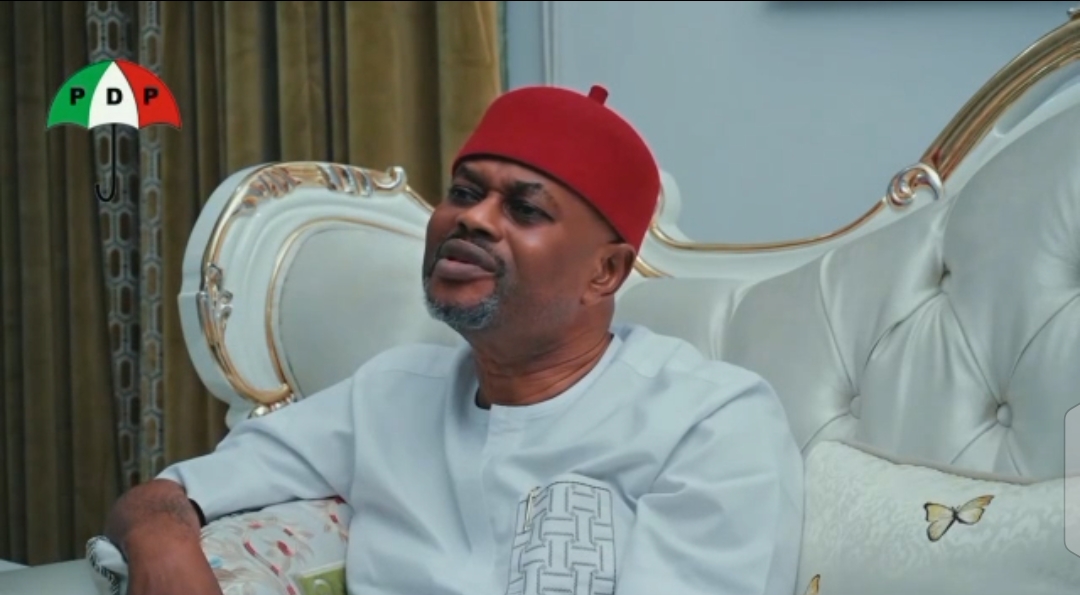
Taxation Should Serve the People, Not Suffocate Them: Chief Uche Nnaji's Vision for Enugu State

Taxation remains a fundamental tool for state building, providing the revenue required for roads, security, healthcare, and public infrastructure. However, Chief Uche Nnaji (Nwakaibie)—former Minister of Innovation, Science, and Technology and 2027 PDP governorship candidate for Enugu State—argues that taxation must operate with a "human face".
In his official policy address, Nnaji outlines an economic agenda that shifts the government's focus from aggressive revenue collection to expanding the productive base of the state economy.
Key Highlights of the Tax & Economic Reform Agenda
Review and Consolidation of Levies:
The administration commits to reviewing state and local government fees to eliminate duplicate and unauthorized charges. Revenue collection will be streamlined so traders, transport operators, and artisans clearly understand what they pay and to whom.
Support for Micro and Small Enterprises (SMEs):
Recognizing small business owners—such as market traders, mechanics, tailors, and farmers—as the core of Enugu's local economy, the plan focuses on simplifying regulatory processes and applying fair tax treatments to encourage growth rather than penalize enterprise.
Digitalization and Transparency:
By modernizing revenue collection through secure digital payment channels and official digital receipts, the proposed policy aims to eradicate unofficial cash collections, reduce physical harassment, and increase public accountability.
Broadening the Tax Base via Economic Expansion:
Rather than increasing tax burdens on existing taxpayers, the strategy focuses on expanding the economy. Key investments will target agro-processing, ICT enterprises, local manufacturing, and regional markets—with Nsukka positioned as an agricultural and educational node and Enugu City as an investment hub.
Citizen-Centered Policy Formulation:
Prior to implementing new revenue measures, the administration pledges to consult directly with market unions, transport associations, and business leaders to assess economic affordability and impact.
Public Accountability for Collected Funds:
Revenue management will be directly tied to visible public development, ensuring citizens see their taxes reflected in improved infrastructure, healthcare facilities, and public security.
Don't miss a single update
Related Stories

The Unspoken Horror: Unmasking the Brutal Wave of Targeted Violence, Religious Persecution, and Global Silence on the Plight of Christians in Nigeria

Divine Mandate: Prophetic Declarations Sound Out from Zion Ministry as Chief Uche Geoffrey Nnaji’s Vision for Enugu Rises with Spiritual Power

“Cry No More, Uche Is Here to Serve”: Chief Uche Geoffrey Nnaji (Nwakaibie) Takes a Hands-On Tour of Nsukka, Assures Marginalized Communities of Real Hope