THE PERIL OF MEDIA TRIALS: Why the Presumption of Innocence Must Safeguard Nigeria’s Democratic Institutions
In today’s Nigerian political landscape, everyone wants to be the first to break a sensational story. Social media platforms compete for clicks, engagement, and controversy. Unfortunately, in this race for attention, the principles of fairness, balance, and responsible journalism are sometimes pushed aside.
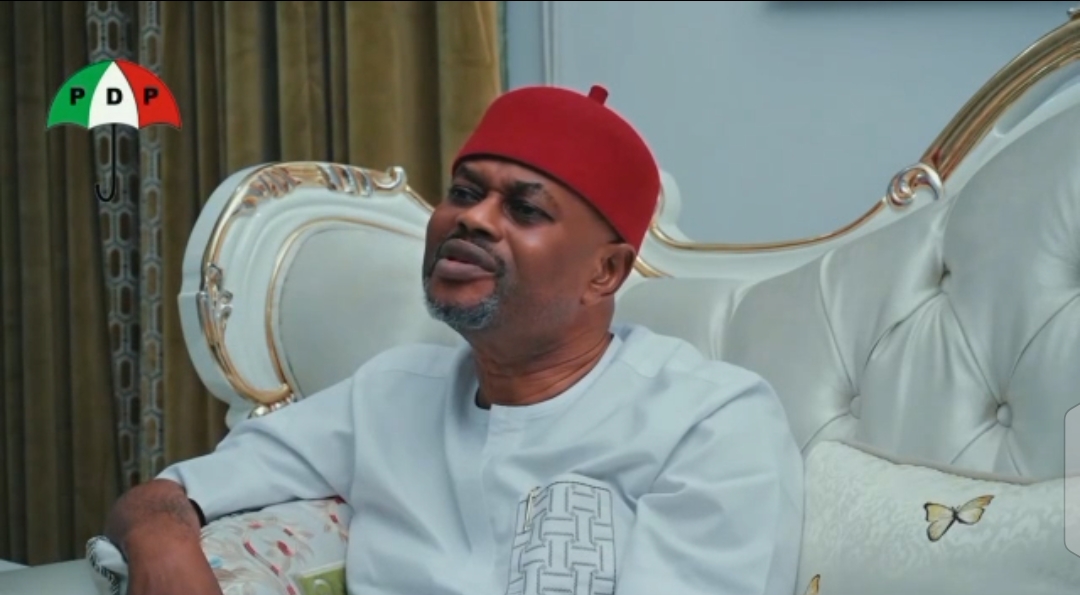
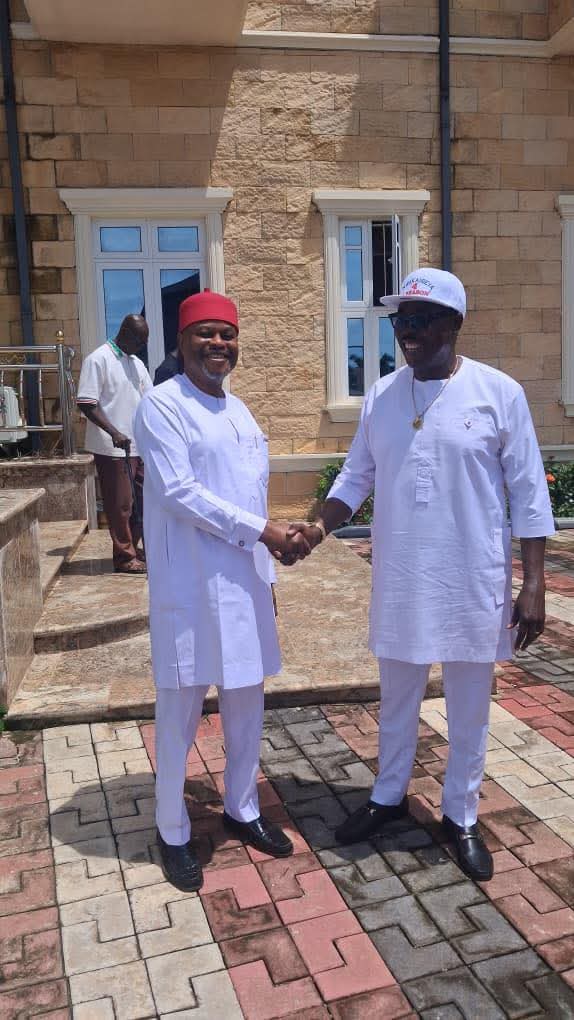
The allegations against Chief Uche Geoffrey Nnaji have received widespread media attention. However, it is important to remember that allegations remain allegations until they are tested and determined by a court of competent jurisdiction. Nigeria’s legal system is founded on a simple but fundamental principle: every person is presumed innocent until proven guilty.
This principle exists to protect every citizen, regardless of political affiliation or social status. It should not be discarded simply because the accused is a public figure or a politician seeking elective office.
The concern is not that the allegations have been reported. News organizations have a duty to report matters of public interest. Rather, the question is whether continued editorial emphasis on one individual before the judicial process has run its course creates the appearance of prejudgment. Responsible journalism should inform the public without appearing to pronounce guilt before the courts have spoken.
If the matter is already before the courts, the judiciary should be allowed to perform its constitutional duty without unnecessary media sensationalism. The courtroom,not newspaper headlines or social media,is where guilt or innocence is determined.
Premium Times has built a reputation as one of Nigeria’s most respected investigative media organizations. Precisely because of that reputation, many expect it to uphold the highest standards of objectivity, fairness, and editorial independence. It should ensure that its reporting does not create the perception that it has taken sides in an ongoing political contest.
It is neither the duty of the press to convict nor to exonerate. Its responsibility is to report accurately, provide context, and allow due process to take its course. The credibility of journalism depends not only on exposing wrongdoing but also on respecting the rights of those accused until the law reaches its conclusion.
Chief Uche Geoffrey Nnaji, like every Nigerian citizen, deserves the protection of the Constitution. If the courts ultimately establish wrongdoing, then the public will be entitled to draw conclusions based on judicial findings. Until then, fairness demands restraint rather than condemnation.
As Nigeria approaches another electoral cycle, citizens should be careful not to substitute media narratives for judicial outcomes. Democracy is strengthened when both the press and the courts perform their distinct constitutional roles without overstepping their respective boundaries.
Whether one supports or opposes Chief Uche Geoffrey Nnaji politically is beside the point. The issue at stake is bigger than one individual. It is about preserving the rule of law, protecting the presumption of innocence, and ensuring that justice is determined by evidence presented in court,not by headlines, speculation, or public pressure.
A democracy in which media trials replace judicial trials risks weakening the very principles of fairness and justice it seeks to uphold.
As the saying goes, “Condemn not the judgment of another, lest both of you be in error.”
Cogito, ergo sum.
*Rt. Hon. Barr. Jonathan* *Chukwuma*
*Atlanta*, *Georgia*, *USA*
Don't miss a single update
Related Stories

The Unspoken Horror: Unmasking the Brutal Wave of Targeted Violence, Religious Persecution, and Global Silence on the Plight of Christians in Nigeria

Divine Mandate: Prophetic Declarations Sound Out from Zion Ministry as Chief Uche Geoffrey Nnaji’s Vision for Enugu Rises with Spiritual Power

“Cry No More, Uche Is Here to Serve”: Chief Uche Geoffrey Nnaji (Nwakaibie) Takes a Hands-On Tour of Nsukka, Assures Marginalized Communities of Real Hope