
Biomass Energy Project in Enugu State: Industrial Power, Job Creation, and Regional Impacts Overview of the Initiative
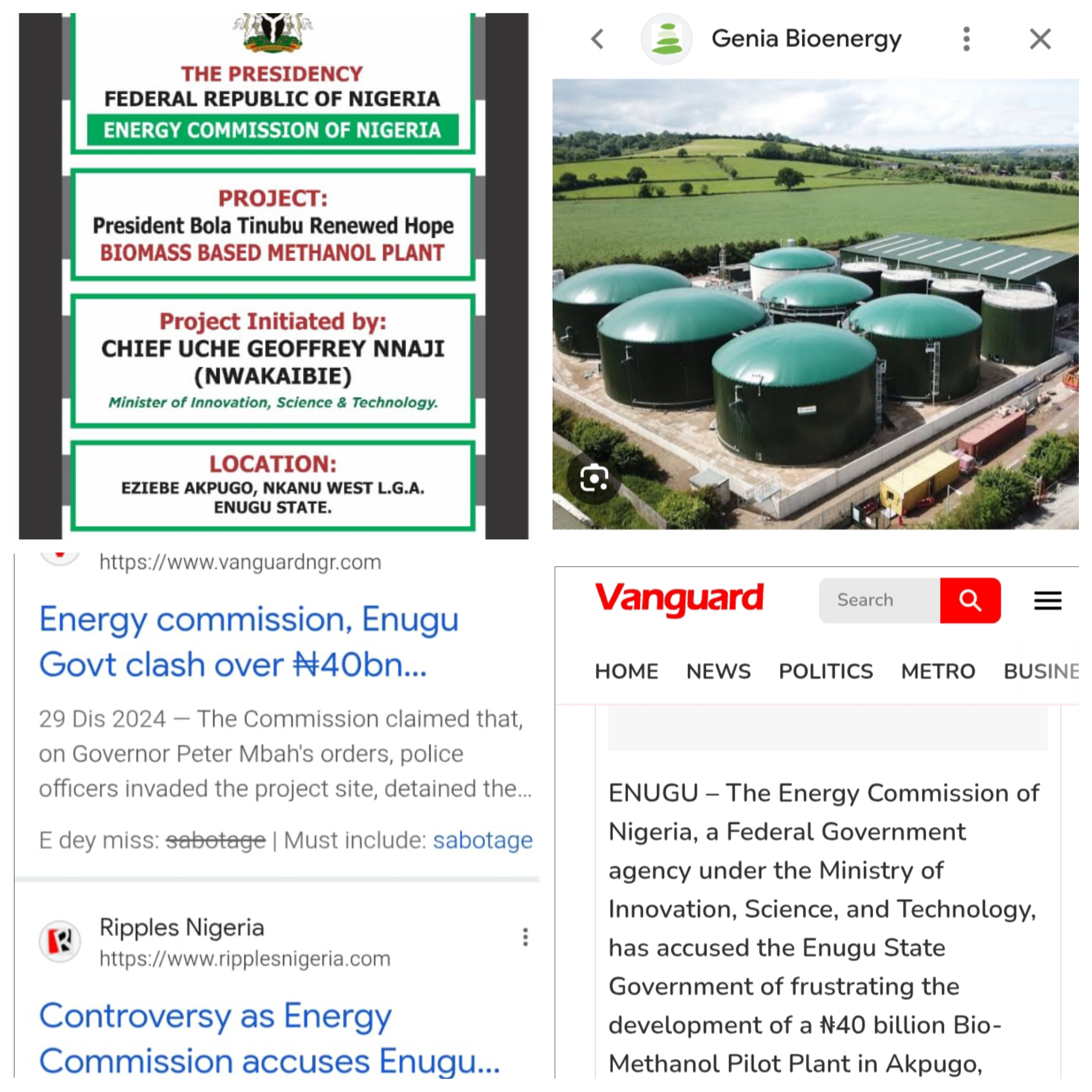
During his tenure as Honourable Minister of Innovation, Science and Technology, Chief Uche Geoffrey Nnaji facilitated the attraction of a large-scale biomass energy project to Enugu State. The project was conceptualized as a strategic intervention to address industrial energy deficits in the South-East region and support broader national energy diversification efforts.
Project Scope and Economic Value
The development, estimated at over ₦40 billion, was designed as a renewable energy investment anchored on biomass technology. Its primary objective was to provide a stable and sustainable power source for industries, thereby improving productivity and reducing reliance on conventional energy systems.
From an economic standpoint, the project was projected to generate significant employment opportunities, including approximately 2,000 direct jobs and over 10,000 indirect jobs, particularly benefiting young people across Enugu State and surrounding communities.
Local Participation and Capacity Building
A notable feature of the project was its emphasis on local inclusion. Several indigenous contractors from Enugu State were engaged at different stages of execution, allowing for skills transfer, capacity development, and economic participation at the grassroots level.
Project Expansion Beyond Enugu
In addition to the Enugu initiative, a similar biomass energy development was reportedly approved for Akwa Ibom State under the South-South geopolitical zone. That project is said to be at an advanced stage of implementation, reflecting a broader national push toward renewable energy infrastructure.
Challenges and Operational Disruptions
The project reportedly experienced operational setbacks, including regulatory and legal disputes concerning land status and site clearance. At a certain stage, enforcement actions were taken against engineers on-site, leading to temporary disruption of activities. These issues were subsequently addressed following high-level administrative intervention, after which the personnel were released and normalcy restored.
Public Interest and Institutional Debates
The situation highlighted broader concerns around the interpretation of “overriding public interest” in infrastructure development, especially where large-scale investments intersect with regulatory processes and local disputes. The incident underscores the complexities often associated with executing high-value public-private projects in developing environments.
Legacy and Broader Impact
Supporters of the initiative argue that the project represents one of the most ambitious energy investments attracted to Enugu State in recent times, particularly within a short ministerial tenure. It is often referenced in discussions around regional industrial development, renewable energy expansion, and federal presence in the South-East.
Conclusion
The biomass energy project remains a significant case study in Nigeria’s evolving renewable energy landscape. While implementation challenges were recorded, its scale, intent, and projected economic impact position it as a noteworthy development in the country’s efforts toward sustainable industrial energy solutions.
Further updates on the current status of the project will depend on official disclosures and ongoing sector developments.
Don't miss a single update
Related Stories

The Unspoken Horror: Unmasking the Brutal Wave of Targeted Violence, Religious Persecution, and Global Silence on the Plight of Christians in Nigeria

Divine Mandate: Prophetic Declarations Sound Out from Zion Ministry as Chief Uche Geoffrey Nnaji’s Vision for Enugu Rises with Spiritual Power

“Cry No More, Uche Is Here to Serve”: Chief Uche Geoffrey Nnaji (Nwakaibie) Takes a Hands-On Tour of Nsukka, Assures Marginalized Communities of Real Hope