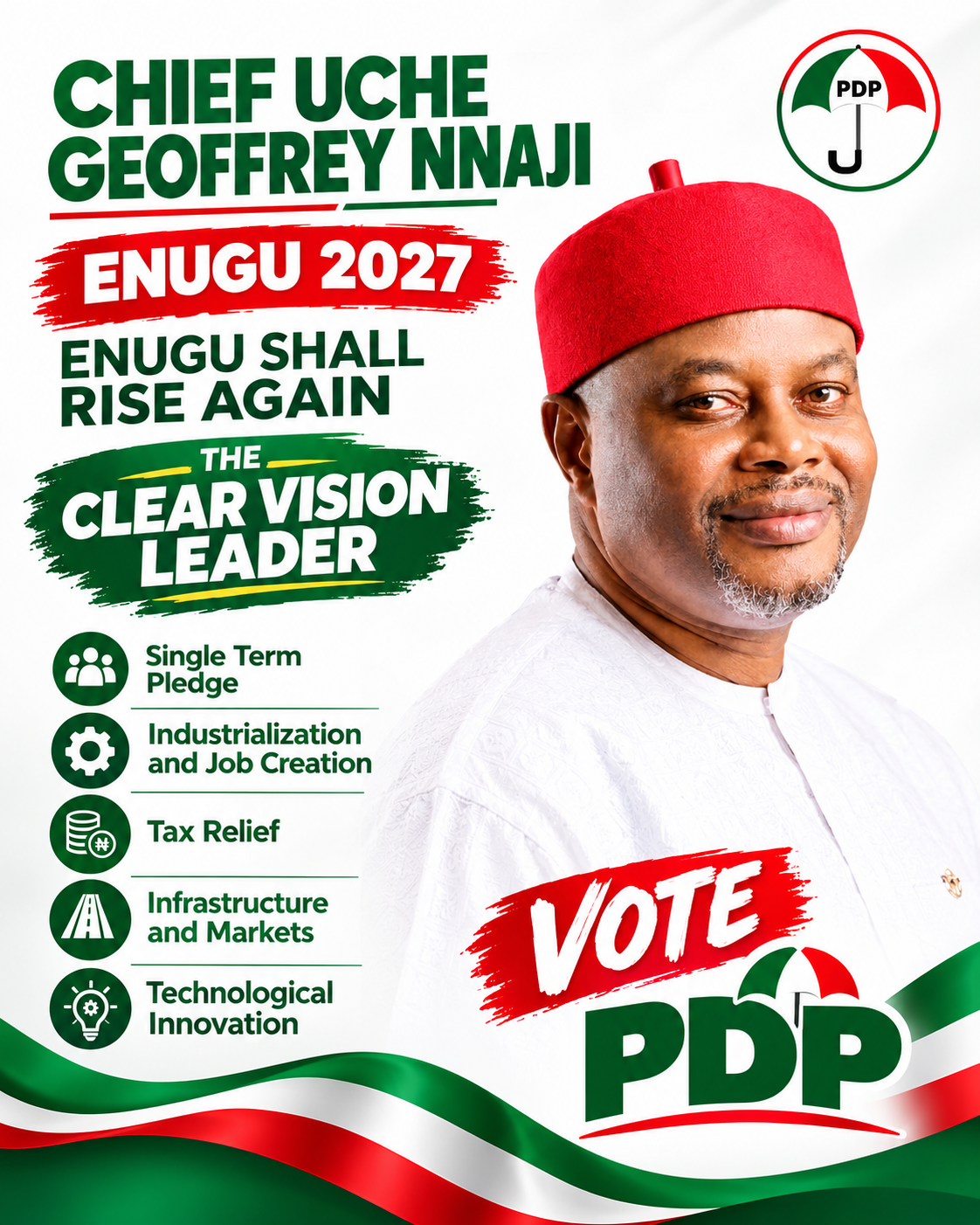
NWAKAIBIE’S PROPOSED TAX REFORMS SPARK POLITICAL DEBATE AS MBAH SUSPENDS TICKET SALES TO TRICYCLE OPERATORS By Obaino Gbaaduu
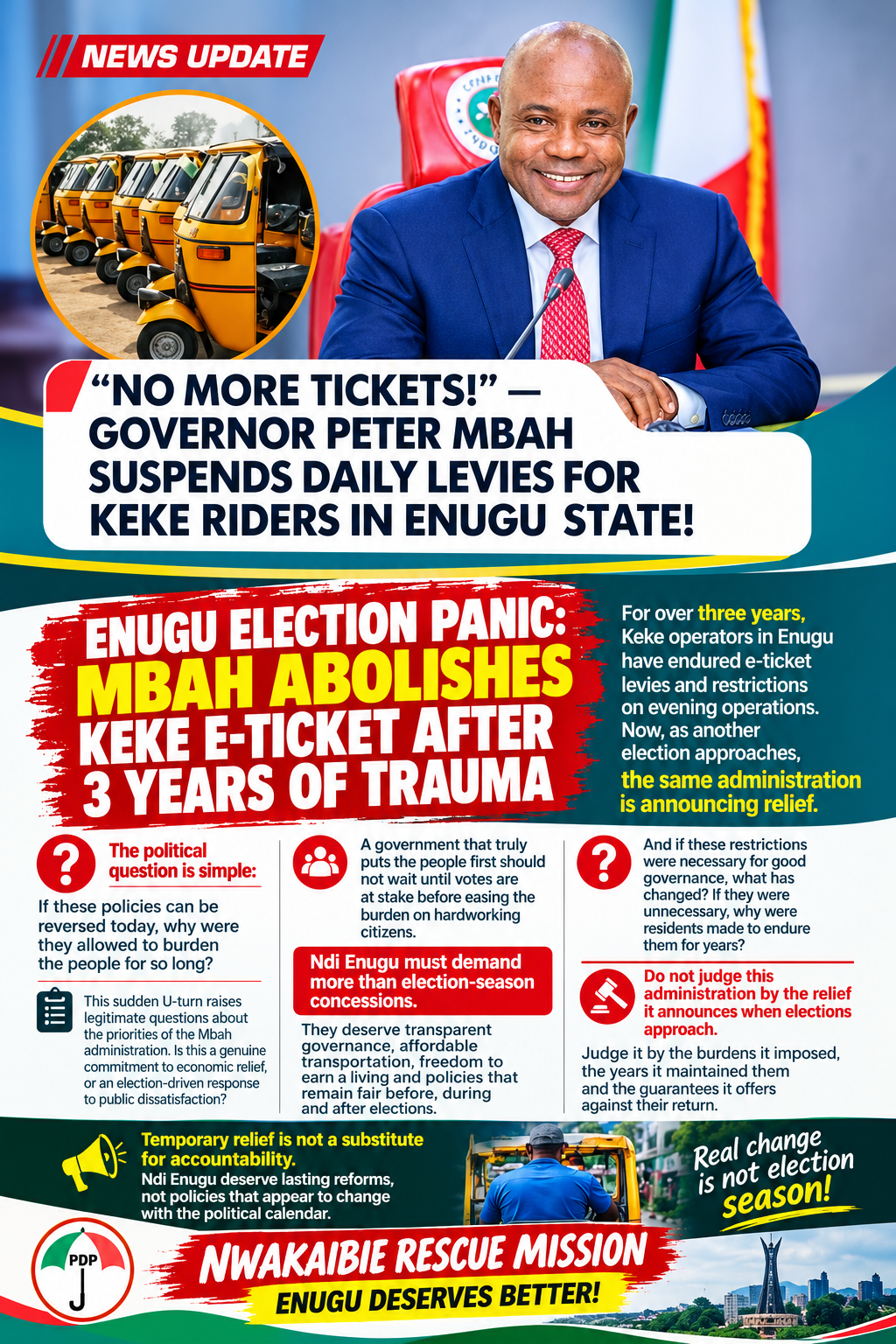
NWAKAIBIE’S PROPOSED TAX REFORMS SPARK POLITICAL DEBATE AS MBAH SUSPENDS TICKET SALES TO TRICYCLE OPERATORS
The suspension of ticket sales to tricycle operators, popularly known as Keke NAPEP riders, by the Enugu State Government has sparked political debate, with questions emerging over the timing of the decision and its implications for commercial transport operators across the state.
For many tricycle operators, who have expressed concerns about the burden of daily levies, multiple charges and alleged harassment by enforcement personnel, the suspension represents a welcome development. However, the timing has also prompted debate about whether the measure signals a lasting policy change or a temporary relief for operators ahead of the 2027 governorship election.
Why Now? Enugu Residents Demand Lasting Relief
For years, complaints about the cost of operating commercial tricycles have featured prominently in discussions about the economic challenges facing transport operators and small business owners in Enugu State. Operators who struggle to meet daily financial obligations argue that excessive levies can reduce their earnings, increase transport costs and place additional pressure on already vulnerable households.
Against this backdrop, the suspension of ticket sales by Governor Peter Mbah has raised questions among critics who want to know why the intervention is happening now and whether it will be sustained beyond the immediate political season.
Supporters of Chief Geoffrey Uche Nnaji, popularly known as Nwakaibie, view the development as an opportunity to intensify calls for comprehensive tax reform and a more business-friendly environment. They argue that temporary relief is not enough and that commercial operators need a transparent, predictable and affordable taxation system.
Nwakaibie’s Tax Reform Message Gains Political Attention
Chief Geoffrey Uche Nnaji has become a prominent figure in the political debate surrounding taxation, economic relief and the future of small businesses in Enugu State. His supporters have presented his proposed reforms as an alternative to what they describe as a burdensome system of levies and charges.
According to his supporters, a more business-friendly administration should prioritise the welfare of tricycle operators, market traders, artisans and other residents whose livelihoods depend on daily commercial activities.
They maintain that the objective should go beyond suspending ticket sales. Rather, they want a comprehensive review of existing charges, an end to unlawful multiple collections and stronger accountability in the administration of public revenue.
For these supporters, the central question is whether the current suspension will become a permanent policy or whether ticket collections could resume after the election period.
A Call for Permanent and Transparent Reform
The controversy highlights a broader issue in Enugu State: the need to balance government revenue generation with the survival and growth of small businesses.
While governments require revenue to provide public services and develop infrastructure, taxation policies must also consider the capacity of ordinary citizens to pay. Multiple levies, where they exist without adequate coordination or transparency, can create uncertainty for operators and discourage legitimate economic activity.
The Enugu State Government can address public concerns by clearly explaining the scope and duration of the suspension, publishing the relevant policy guidelines and stating whether the measure will lead to a permanent review of the ticketing system.
Such clarification would help operators make informed decisions and enable residents to assess the policy on its actual merits rather than on political speculation.
2027: Voters Will Judge the Policies, Not Just the Promises
As the 2027 governorship election approaches, taxation and economic welfare are likely to remain important issues in Enugu State’s political discourse.
Nwakaibie’s supporters are urging residents not to be swayed by temporary measures but to demand clear, enforceable commitments on taxation, transport operations and support for small businesses. They argue that any proposed reform should be assessed by its details, implementation plan and long-term benefits to the people.
Ultimately, the test of any administration’s commitment to economic relief will be whether its policies produce lasting improvements in the lives of ordinary residents.
For Enugu’s tricycle operators, market traders and small business owners, the expectation is straightforward: fair taxation, freedom from unlawful collections, respectful treatment by enforcement personnel and a business environment in which hard work can translate into meaningful income.
As the political debate intensifies, Ndi Enugu deserve clear answers, sustainable policies and measurable results.
The message from Nwakaibie’s supporters is clear: Enugu needs lasting economic reform, not temporary relief. The coming months will reveal whether the suspension of ticket sales marks the beginning of a broader policy shift or remains a limited intervention in an increasingly competitive political environment.
Obaino Gbaaduu writes.
Don't miss a single update
Related Stories
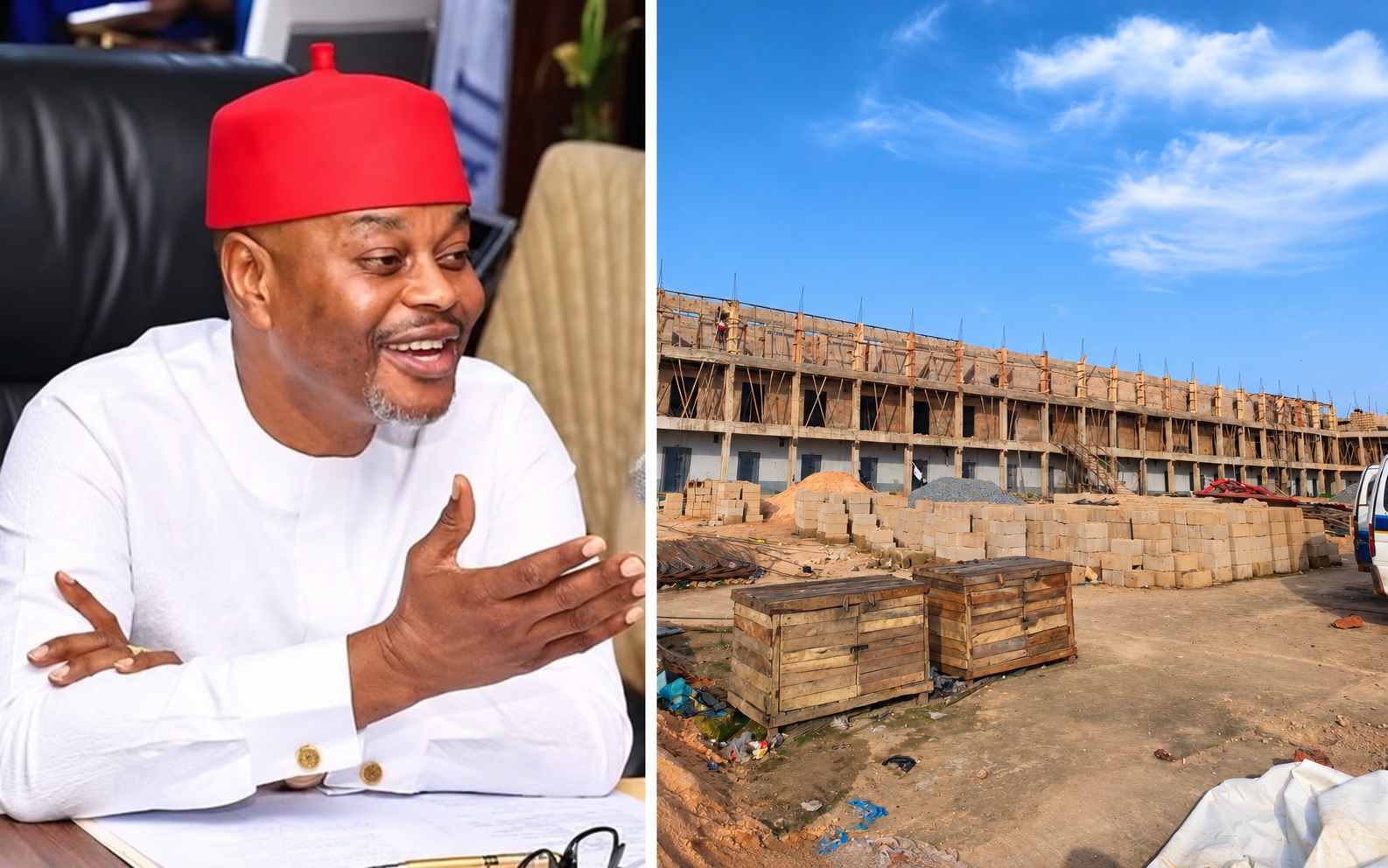
Nwakabie’s Campaign Agenda Sparks Debate: Are His Promises Reshaping Governance in Enugu State?
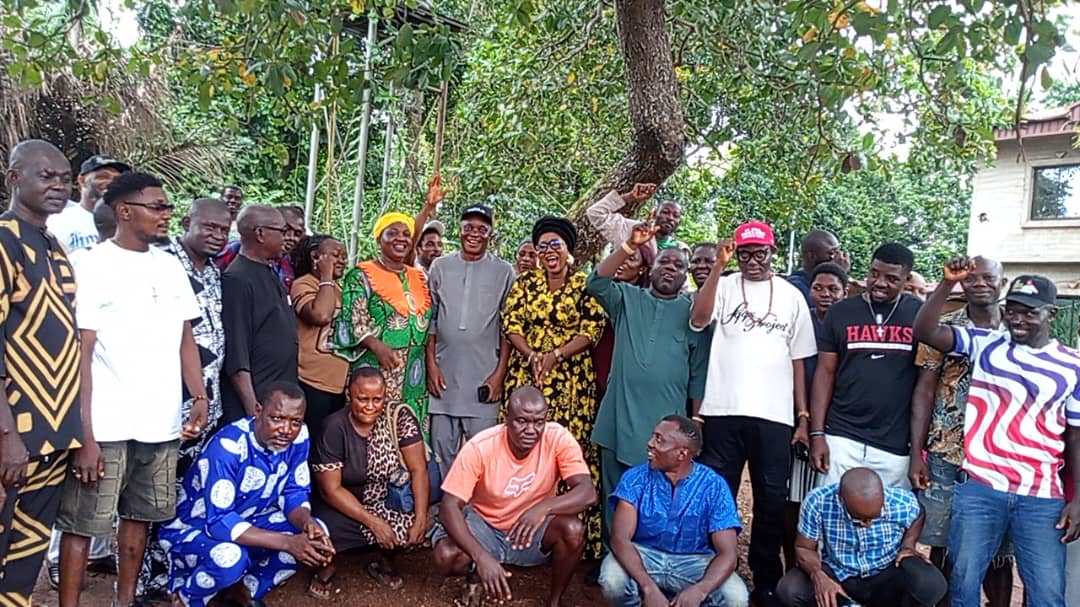
OBE WARD REAFFIRMS SOLIDARITY WITH NWAKABIE, RENEWS COMMITMENT TO PDP AHEAD OF 2027

BREAKING: ODAA OPUU MOURNS AS HE LOSES HIS BELOVED MOTHER