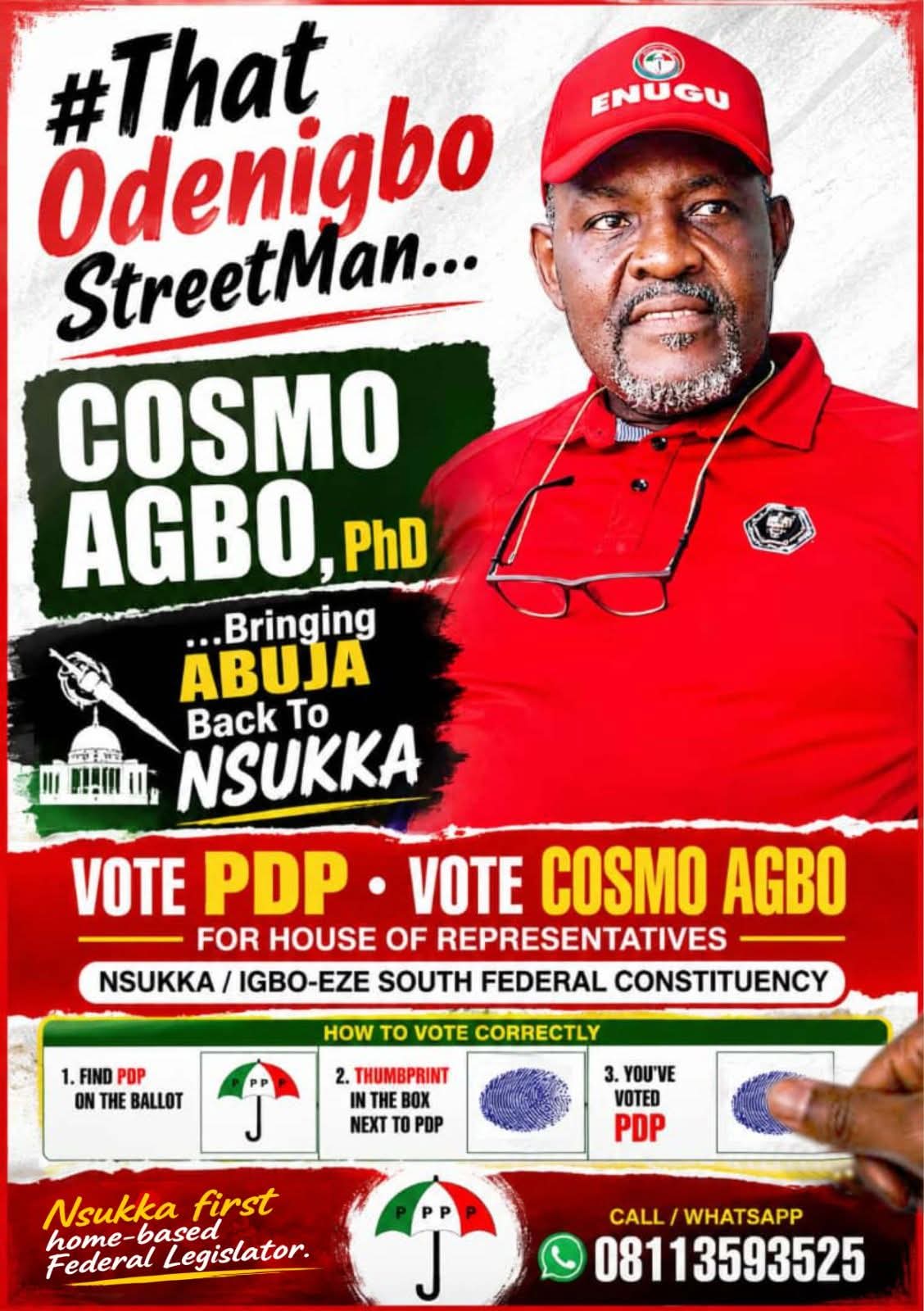
Political Servitude And Infrastructure Neglect: Awgu LGA Rallies For Governing Party Despite Marginalization

AWGU, ENUGU STATE — The campaign trail for the upcoming September 26 Enugu Local Government elections made a stop in Awgu LGA as party leaders, including Enugu House of Assembly Deputy Leader Hon. Jane Eneh, hosted ruling party campaign executives and urged residents to vote en masse for chairmanship and councillorship candidates.
Addressing party faithful and community members, Eneh and local party operatives framed the campaign visit as a demonstration of grassroots unity, calling on the electorate to align fully with the governing administration. However, political analysts and community watchdogs view the spectacle as another chapter in Awgu’s long history of political submissiveness—a region where political elites consistently organize rallies and mobilize votes for the ruling structure despite receiving minimal returns in infrastructure, economic development, or high-ranking principal political appointments.
The irony of Awgu's political posture remains stark across the council area:
Self-Inflicted Marginalization: While neighboring zones leverage their political weight to demand functional governance, hospital upgrades, and road rehabilitation, Awgu continues to accept the position of a subservient voting block, receiving political promises while its primary road networks collapse.
Capital City Absenteeism: Local political representatives routinely retreat to Enugu City after elections, returning only during campaign cycles to rally the populace for political continuity while ignoring the severe socio-economic hardships facing rural voters.
The Cost of Uncritical Loyalty: By rewarding systemic neglect with guaranteed votes, local political actors have effectively stripped Awgu of its bargaining power within Enugu State's geopolitical structure, trading the community’s long-term development for short-term political patronage.
Public commentators argue that until the electorate in Awgu breaks away from political servitude, holds campaign figures accountable, and demands verifiable infrastructure development before casting their ballots, the local government will remain the most marginalized council area in the state by choice.
Don't miss a single update
Related Stories
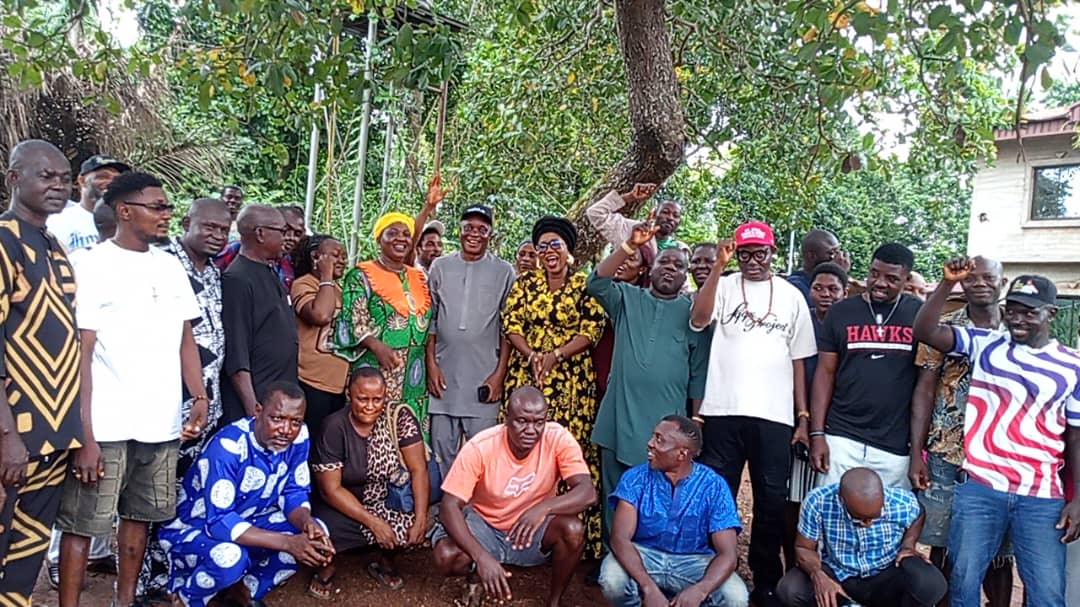
OBE WARD REAFFIRMS SOLIDARITY WITH NWAKABIE, RENEWS COMMITMENT TO PDP AHEAD OF 2027
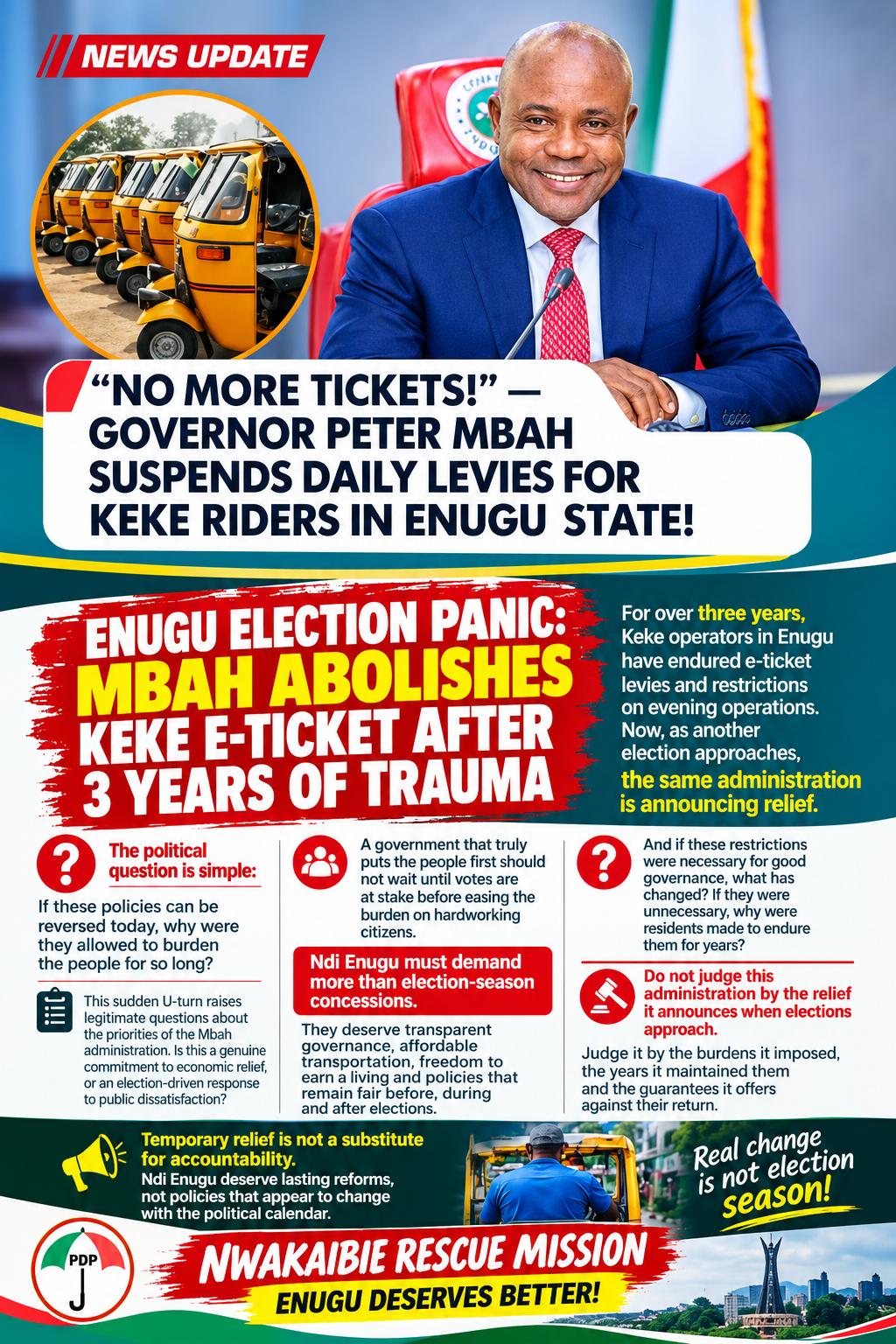
NWAKAIBIE’S PROPOSED TAX REFORMS SPARK POLITICAL DEBATE AS MBAH SUSPENDS TICKET SALES TO TRICYCLE OPERATORS By Obaino Gbaaduu
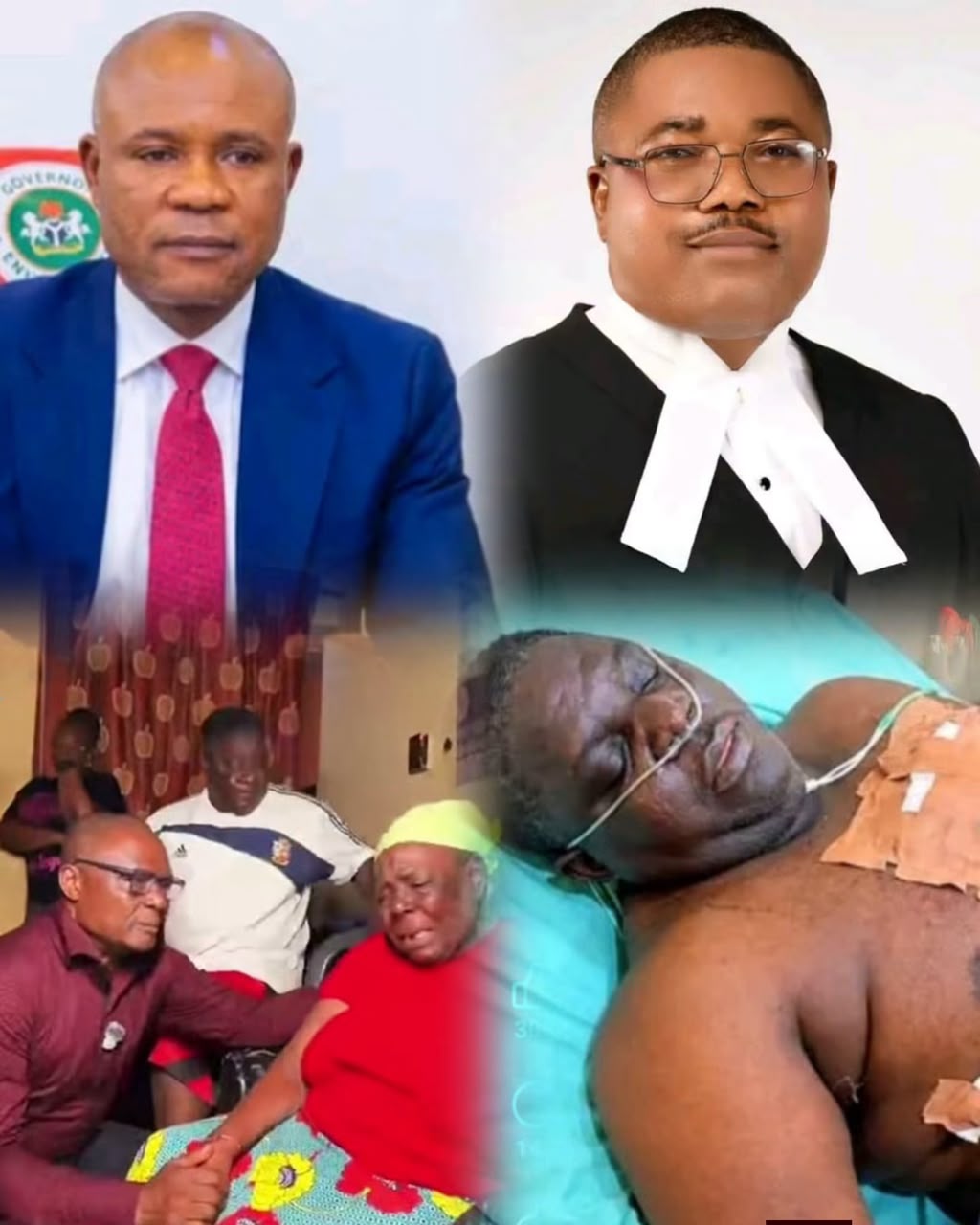
When Brothers Draw Swords: Barr. Ifeanyi Ejiofor’s Powerful Cry for Justice and the End of Political Bloodshed in Enugu