
STAKEHOLDERS URGE GOVERNMENT TO OPEN INFRASTRUCTURE SECTOR TO PRIVATE CAPITAL
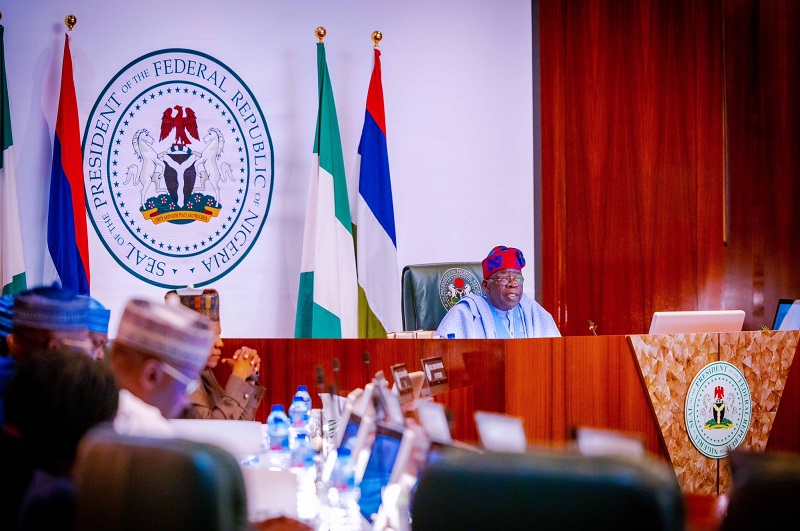
Stakeholders in Nigeria’s economic and infrastructure space have renewed calls for increased participation of private investors in the financing and development of public infrastructure projects across the country. They made this appeal during a policy dialogue session focused on addressing Nigeria’s growing infrastructure deficit.
According to participants, Nigeria continues to face significant gaps in critical sectors such as transportation, energy, housing, and healthcare infrastructure. They noted that government funding alone is no longer sufficient to meet the scale of development required, especially as population growth and urbanization continue to rise rapidly.
Experts at the forum emphasized the need for a shift from heavy reliance on public procurement to a model that encourages public-private partnerships (PPPs). They argued that private capital can help speed up project delivery, improve efficiency, and reduce the burden on government budgets if properly structured and regulated.
Financial analysts at the event also highlighted that Nigeria’s infrastructure needs run into trillions of dollars, making it impossible for public funds alone to close the gap. They suggested that attracting both local and foreign investors would require stronger regulatory frameworks, improved transparency, and reduced investment risks.
Government representatives acknowledged the concerns and reiterated ongoing efforts to create an enabling environment for investment, including reforms aimed at improving ease of doing business and strengthening investor confidence.
The discussion ended with a consensus that sustainable infrastructure development in Nigeria will depend heavily on collaboration between the public sector and private investors, with clear policies guiding long-term partnerships.
Don't miss a single update
Related Stories
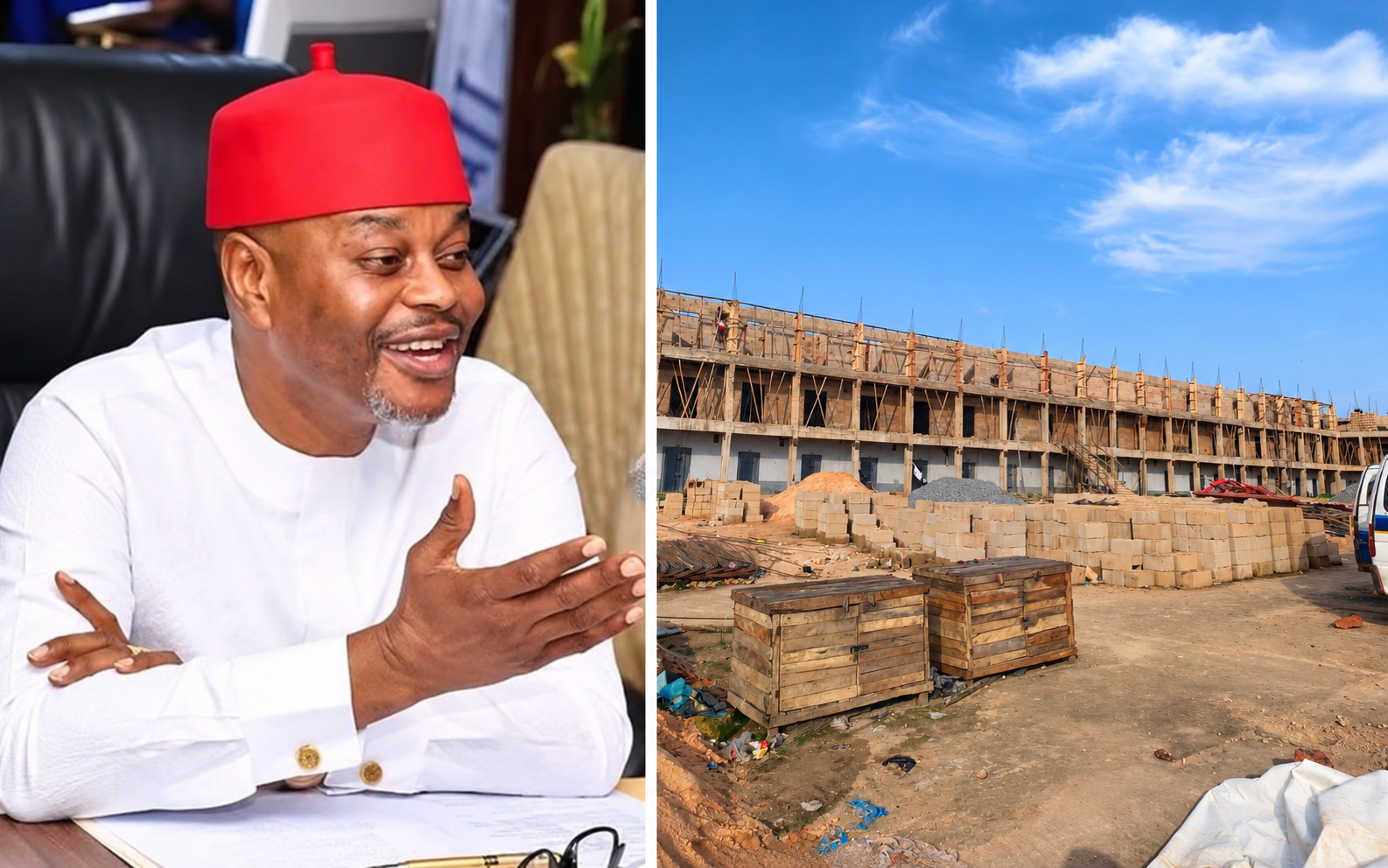
Nwakabie’s Campaign Agenda Sparks Debate: Are His Promises Reshaping Governance in Enugu State?

OBE WARD REAFFIRMS SOLIDARITY WITH NWAKABIE, RENEWS COMMITMENT TO PDP AHEAD OF 2027
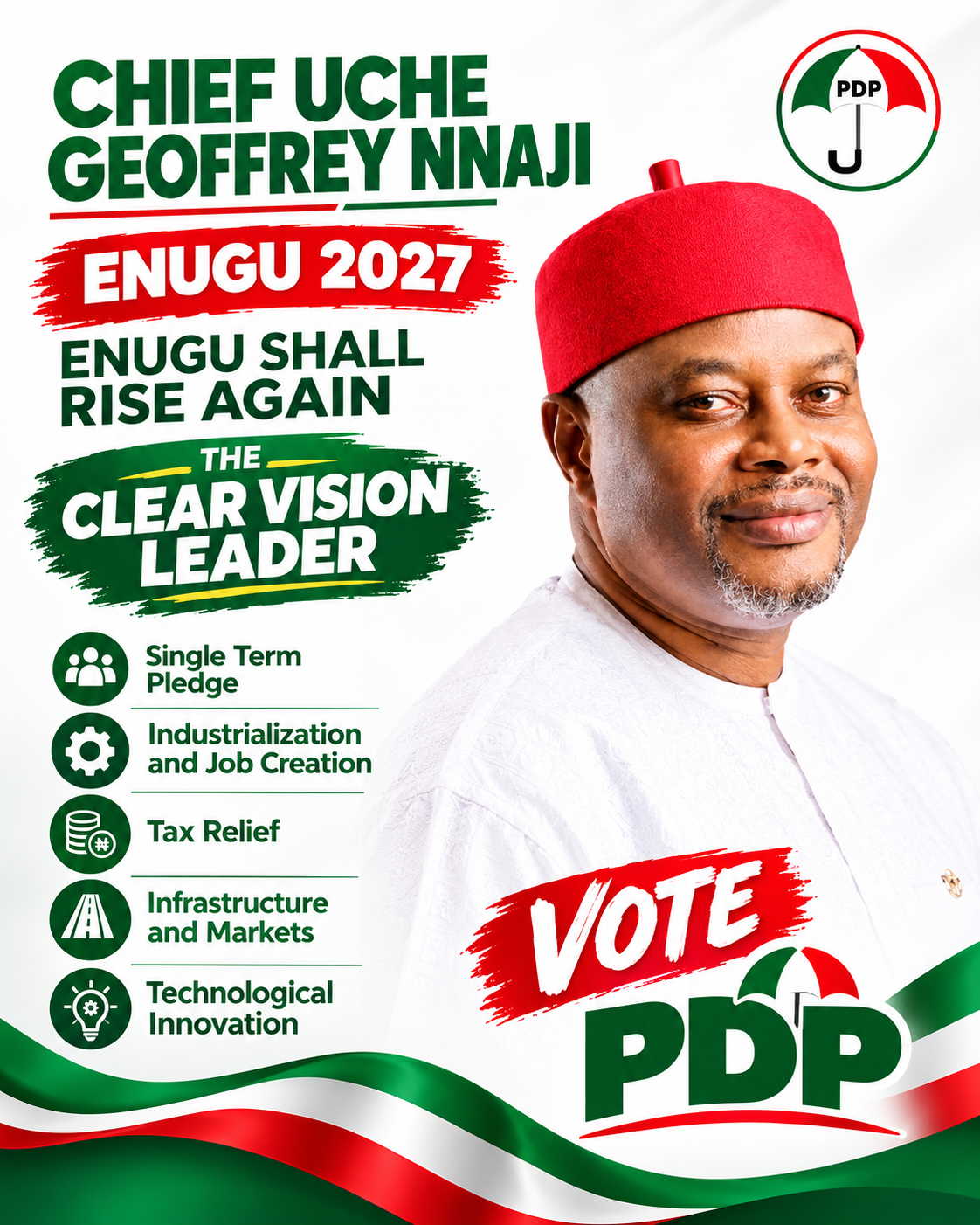
ENUGU 2027: WHY CHIEF UCHE GEOFFREY NNAJI’S VISION FOR ECONOMIC RELIEF, INDUSTRIALISATION AND PEOPLE-CENTRED GOVERNANCE DESERVES ATTENTION — A COST-BENEFIT ANALYSIS